
How They Found It Matters More Than What They Found
When a drug charge lands in your lap, the first question isn't "how bad is it?" — it's "was that search legal?" Fifty years of criminal defense experience has taught me that suppression wins cases before they ever reach a jury.
Iowa Drug Charges Range From a Misdemeanor to a Federal Felony
Iowa law classifies controlled substances into schedules, and those schedules determine what you're facing. Simple marijuana possession is a serious misdemeanor on a first offense — but add a scale, extra bags, or a text message about a sale, and the charge becomes delivery or possession with intent, which is an aggravated misdemeanor or a class D felony depending on the substance and amount. Meth and heroin charges typically land higher on the schedule and carry steeper penalties from the start.
The difference between possession and possession with intent often comes down to how police interpreted the scene — not what you actually intended. That interpretation is something I can challenge.
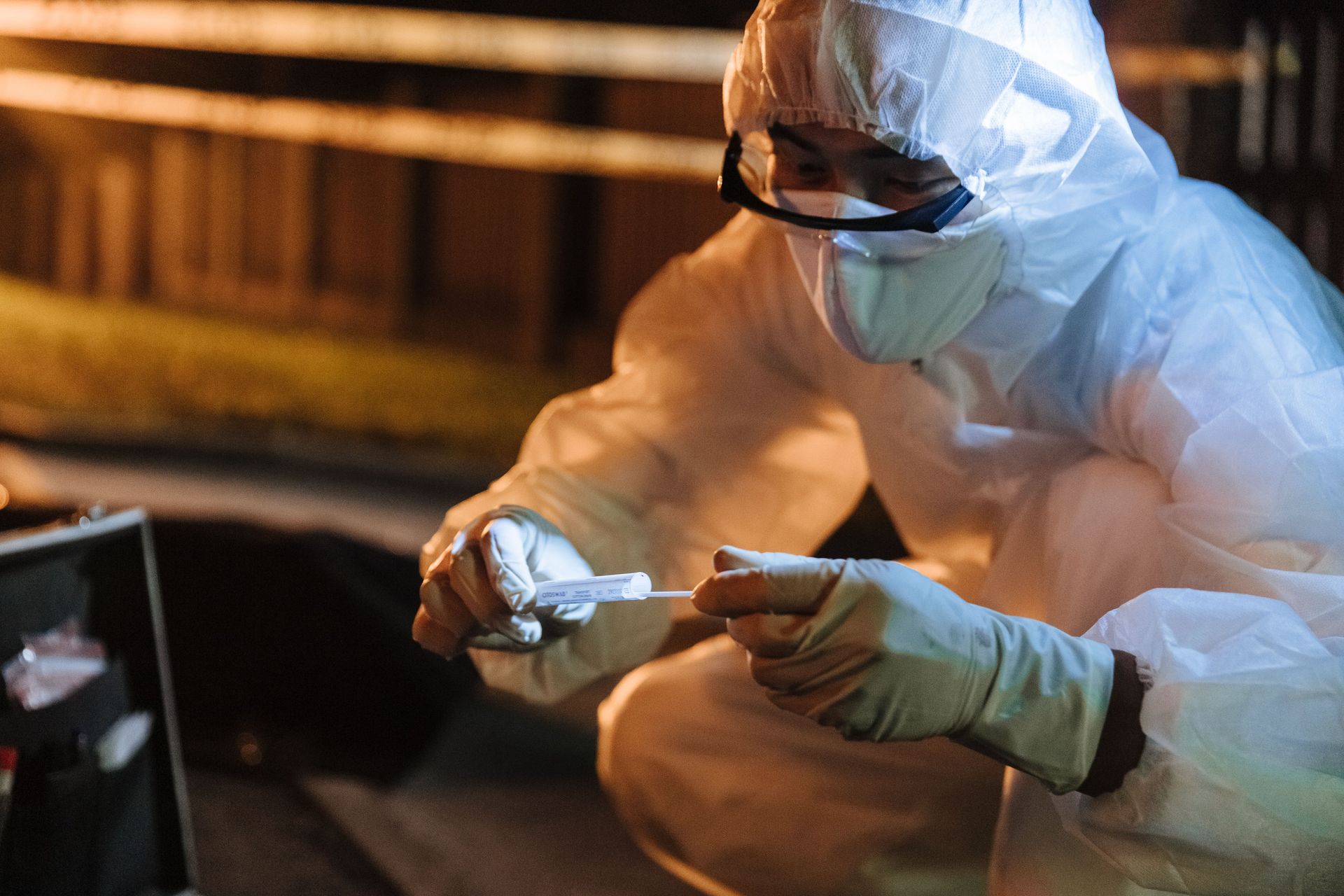
If the Stop or Search Was Illegal, the Evidence Comes Out
The Fourth Amendment prohibits unreasonable searches and seizures. When police violate it — an unlawful traffic stop, a search that exceeded the scope of consent, a warrant that didn't hold up — the evidence they found can be suppressed. No evidence, no case.
Iowa courts grant suppression motions more often than most people realize. I've litigated these issues for decades, and I know where law enforcement commonly overreaches. Before we talk about what to do with the charge, I want to know exactly how they got to the drugs.
Crossing the Bridge From Illinois With Cannabis Is Still a Crime in Iowa
Illinois legalized recreational marijuana. Iowa has not. The state line runs through the middle of the Mississippi River, and the moment you cross that bridge into Iowa, you're in a different legal world.
Quad Cities residents make this mistake regularly — and most cross-border possession stops come with their own Fourth Amendment problems. Was the stop pretextual? Did the officer have a legitimate basis to search? I practice on both sides of the river and know how these cases develop from the moment of the stop.
Federal Drug Charges Carry a Different Weight
When a case moves to federal court — whether through DEA involvement, a large-quantity charge, or a conspiracy allegation — the stakes change sharply. Federal drug charges in the Northern and Southern Districts of Iowa carry mandatory minimum sentences that tie a judge's hands at sentencing. The guidelines are not suggestions.
Federal investigators typically know more than they're letting on when they make contact. Most federal defendants make their worst decisions in the first 48 hours after that contact — before they have a lawyer. If you've been approached by federal agents or received a target letter, call me before you say anything to anyone.
Drug Court and Diversion: Not Every Case Belongs in a Courtroom
Some counties in eastern Iowa offer Drug Court programs — structured diversion tracks that can result in reduced charges or dismissal for eligible defendants. Whether you qualify depends on the charge, your history, and the county. I'll tell you honestly whether diversion is worth pursuing or whether a stronger defense strategy serves you better.

Drug Cases I Handle Across Eastern Iowa
- Marijuana possession (first offense and repeat)
- Possession with intent to deliver
- Drug delivery and distribution
- Methamphetamine possession and delivery
- Cocaine and heroin charges
- Prescription drug offenses
- Federal drug conspiracy and trafficking charges
- Drug charges with weapons enhancements
What Fifty Years in Criminal Defense Means for Your Drug Case
I graduated from Drake Law School, whose trial advocacy program has been recognized as one of the best in the country. Before returning to Iowa, I spent 12 years in Manhattan, trying cases alongside attorneys who handled some of the most high-profile criminal matters in the country. Since then, I've defended drug charges at every level — from a first-offense misdemeanor in Scott County to federal cases in the Northern District of Iowa.
I answer my own phone, around the clock. When you call at 2 AM the night of an arrest, you get me — not a service, not a voicemail.
Frequently Asked Questions About Iowa Drug Charges
If I only had a small amount, can the charge still be serious?
Yes. Even small amounts of marijuana or other controlled substances can result in misdemeanor or felony charges depending on how the arrest was documented. More importantly, the severity of the charge isn't the only issue — how police found the drugs often matters more, because an illegal stop or search can get the evidence thrown out entirely.
What's the difference between possession and possession with intent to deliver in Iowa?
Iowa law looks at the totality of the circumstances — quantity, packaging, presence of scales or cash, and communications on your phone. There's no fixed weight threshold that automatically triggers an intent charge. Prosecutors make judgment calls, and those calls can be challenged.
I was stopped coming from Illinois with marijuana. Am I in serious trouble?
Potentially, yes — but these cases often have Fourth Amendment problems from the start. Was the stop justified? Was the search lawful? Cross-border cannabis stops are common in the Quad Cities, and many of them involve questionable police conduct that I can use to challenge the charge.
What are mandatory minimums in federal drug cases?
Federal law sets floor sentences for certain drug quantities that judges cannot go below, regardless of circumstances. The specific minimum depends on the substance, the quantity, and whether a prior felony is involved. Cooperation agreements and safety-valve provisions can sometimes reduce exposure, but these decisions require careful strategy — not a rushed conversation.
What is Drug Court and do I qualify?
Drug Court is a supervised diversion program available in some Iowa counties that allows eligible defendants to complete treatment and supervision in exchange for reduced charges or dismissal. Eligibility depends on the charge, your criminal history, and the county. I'll give you a straight answer about whether it's a realistic option in your case.
Should I talk to police or federal agents if they contact me?
No. You have the right to remain silent, and you should use it. Federal investigators in particular often make contact when they already have significant information — anything you say can be used to fill gaps in their case. Call me first.
Gary Koos has defended drug charges across eastern Iowa for more than three decades, from Scott County misdemeanors to federal cases in the Northern and Southern Districts. He earned his law degree from Drake Law School and spent 12 years practicing in Manhattan before returning to Iowa. He is admitted to practice in Iowa federal courts and answers his own phone 24 hours a day. Learn more on the about page.