
Davenport OWI Lawyer — 50 Years of Iowa DUI Defense
OWI is the call I get most often, and most often after midnight. If you were arrested tonight, the clock is already running.
Drake Law Graduate, 50 Years Criminal Defense Practice
Blowing over .08 doesn't mean you're convicted. It means you need a lawyer before the Iowa DOT closes a door that won't reopen.
Iowa OWI law moves fast and it moves in two directions at once — the criminal case in court and the license revocation at the DOT. Most people focus on the criminal charge and don't realize the revocation fight has a hard deadline that the criminal case doesn't. I handle both, and I handle them from the first call.

You Have Exactly 10 Days — Here's Why That Number Matters
The Iowa DOT gives you 10 days from the moment the officer served you with notice to request a hearing on your license revocation. Miss that window and the revocation is automatic — no exceptions.
That 10-day clock starts running whether you're released at 3 AM or 3 PM. It runs on weekends. It runs on holidays. When a client calls me the night of an arrest, the first thing we do is lock in that hearing request before anything else.
What Iowa OWI Charges Actually Look Like
Iowa structures OWI offenses by prior record, and the penalties escalate sharply at each level.
- First offense: Serious misdemeanor. Up to one year in jail, a minimum $1,250 fine under Iowa Code § 321J.2(3)(c), and a 180-day license revocation. Most first-offense cases qualify for a deferred judgment — which means no conviction on your record if you complete the terms.
- Second offense: Aggravated misdemeanor. Seven days mandatory minimum in jail, fines between $1,875 and $6,250, and a longer revocation period. The stakes are significantly higher and the plea options narrower.
- Third offense: Class D felony. A felony conviction follows you everywhere — employment, housing, firearms rights. This is the case where trial experience is not optional.
If you're worried about your job, your CDL, or a professional license, those concerns are legitimate and they factor into strategy from day one.
The Breath Test Isn't the End of the Case
The DataMaster DMT is the breath-testing instrument Iowa law enforcement uses most often. It's a machine, and machines have documented failure points.
I review every breath test case for:
- Calibration records and maintenance logs — an instrument that hasn't been properly serviced produces unreliable results
- Operator certification — the officer must hold a current, valid certification to administer the test; lapses matter
- Mouthpiece protocol — a contaminated or improperly changed mouthpiece can skew the reading
- Observation period compliance — Iowa requires a 15-minute observation period before the test; shortcuts create suppressible evidence
If you refused the test, the strategy shifts but the case doesn't disappear. A one-year revocation follows a refusal under Iowa's implied consent law — but if the officer failed to properly deliver the implied consent advisory, that revocation can be challenged. I review body-cam and dash-cam footage on every case where refusal is at issue.
Keeping Your License While the Case Is Pending
A license revocation doesn't have to mean you can't drive. Two pathways exist that most people don't know about until they call a lawyer.
A Temporary Restricted License (TRL) allows you to drive to work, school, medical appointments, and other approved destinations during the revocation period. It requires an ignition interlock device, but it keeps you employed and mobile while the case resolves.
For OWI offenses on or after January 1, 2025, Iowa also recognizes an Ignition Interlock Medical Waiver for individuals who cannot operate an interlock device due to a documented medical condition. If that applies to your situation, it's worth discussing.
For a full breakdown of revocation timelines, TRL eligibility, and ignition interlock requirements, see my license revocation and TRL page.
Where I Defend OWI Cases in Eastern Iowa
I practice across the Iowa 7th Judicial District and handle OWI cases in Scott, Johnson, Muscatine, Dubuque, Clinton, Cedar, and Jackson counties. If you were arrested in the Quad Cities, Iowa City, Muscatine, Dubuque, or Clinton, I know the courts, the prosecutors, and the judges.
I also handle cases in western Illinois on a case-by-case basis.
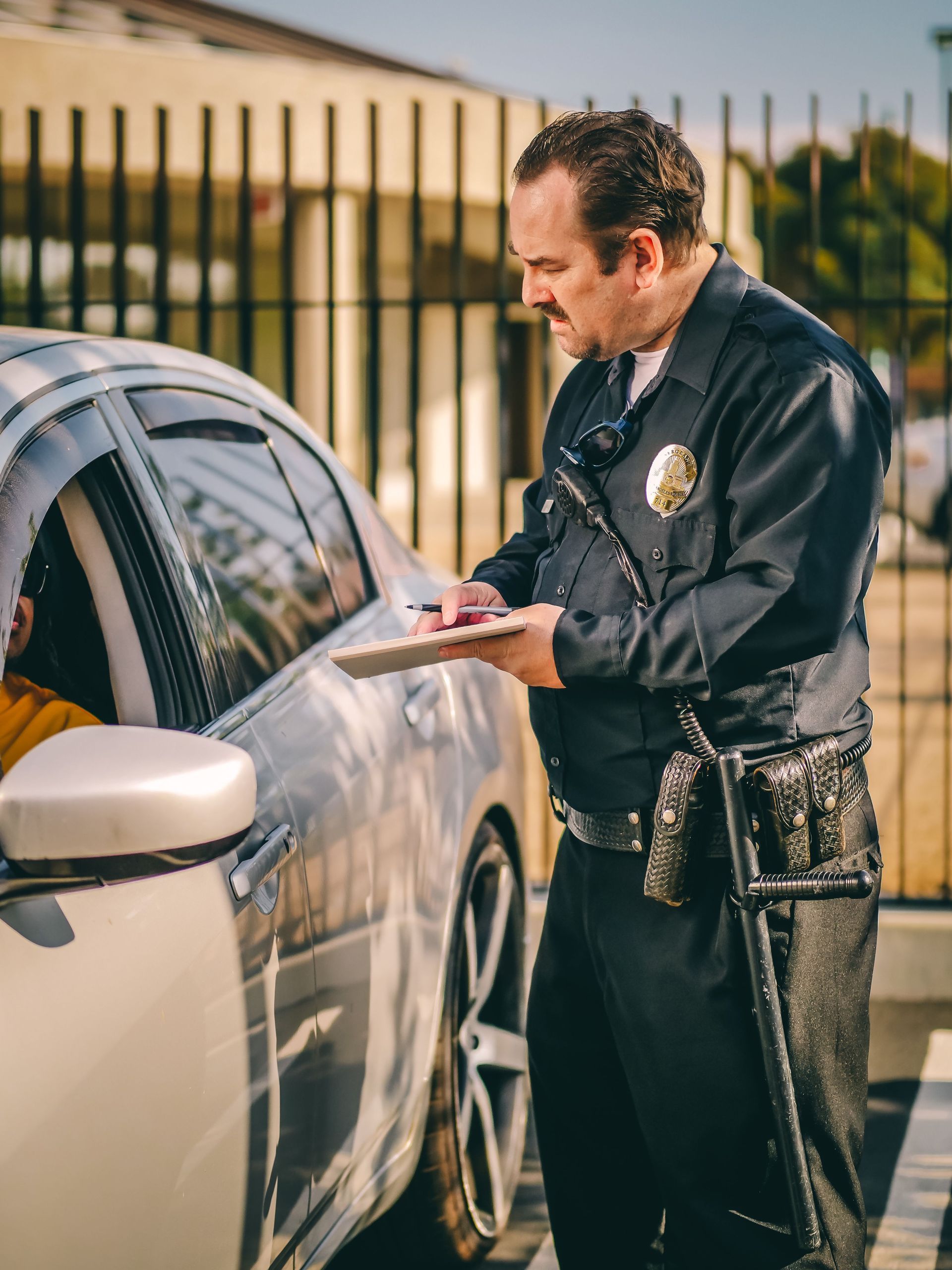
First Offense, Repeat Charge, or Felony — The Approach Changes
Every OWI case starts with the same questions: What did the stop look like? Was the field sobriety testing administered correctly? What does the video show? But where the case goes from there depends heavily on your prior record.
- First-offense cases often resolve through deferred judgment — the goal is keeping your record clean.
- Second-offense cases require a harder look at suppression and plea structure, because the mandatory minimums leave less room for error.
- Third-offense felony cases are tried when the facts support it. I tried four major cases last year. I'm not a lawyer who settles everything.
Explore the specific page for your situation:
Common Questions About Iowa OWI Defense
How long do I have to request a hearing after an OWI arrest in Iowa?
Exactly 10 days from the date you were served notice by the officer. This is a hard deadline set by the Iowa DOT. If you miss it, the revocation becomes automatic and cannot be appealed through that process. Call before day 9.
Can I get a deferred judgment on a first-offense OWI in Iowa?
Most first-offense OWI cases in Iowa are eligible for a deferred judgment. If you complete the terms — which typically include probation, substance abuse evaluation, and fines — the conviction does not appear on your record. Eligibility depends on your specific facts, and it's not guaranteed, but it's the primary goal I work toward on first-offense cases.
What happens if I refused the breath test?
Refusal triggers a one-year license revocation under Iowa's implied consent law, which is longer than the revocation for a test failure. But refusal is not an automatic conviction. It changes the evidence available to the prosecution and shifts the defense strategy. I also review whether the implied consent advisory was properly delivered — if it wasn't, the revocation can be challenged.
Will an OWI show up on a background check?
A conviction will. A deferred judgment, if successfully completed, generally does not appear as a conviction. If keeping your record clean matters to you — because of your job, a professional license, or a CDL — that's exactly the conversation we need to have before any plea decisions are made.
Can I drive to work during my license revocation?
In most cases, yes. A Temporary Restricted License allows you to drive to work, school, and other approved destinations while your revocation is in effect. It requires an ignition interlock device. I walk through TRL eligibility on the license revocation page.
What does an OWI defense lawyer actually do that I can't do myself?
I review the stop, the field sobriety tests, the breath test records, the officer's certification, and every second of available video. I identify suppression issues, challenge the admissibility of test results, and negotiate from a position built on 50 years of criminal defense experience — including 12 years at a top Manhattan firm. The prosecution has done this thousands of times. You haven't. That gap matters.
Gary Koos has defended criminal cases in eastern Iowa for 50 years, with prior experience at a top Manhattan litigation firm. A Drake Law graduate, Gary has tried major cases at all levels of Iowa's court system and handles every client call personally — including nights and weekends. Learn more on the About page.
Arrested Tonight? Don't Wait Until Morning.
The 10-day DOT window is the most important deadline in your case, and it's already running. I answer my phone around the clock — not a service, not a voicemail, me.