
Iowa Weapons Charges Don't Leave Room for Guessing
Iowa's gun laws changed significantly in 2021 when the state moved to permitless carry — but that shift created a false sense of security for a lot of people. Federal law still bars broad categories of people from owning or possessing firearms, and Iowa Code 724 still carries serious felony exposure for the wrong person in the wrong situation. If you've been charged with a weapons offense, the question isn't whether the law is complicated. It is. The question is whether you have someone who knows it cold.
I'm Gary Koos. I've practiced criminal defense for 50 years, including 12 years practicing in Manhattan. I've handled weapons charges at the state and federal level, and I know where these cases are won — and where prosecutors overreach.
What Iowa Weapons Charges Actually Cover
Iowa's permitless carry law means most law-abiding adults can carry a handgun without a permit. What it doesn't mean is that everyone can. The following charges remain very much alive under Iowa Code 724 and federal law.
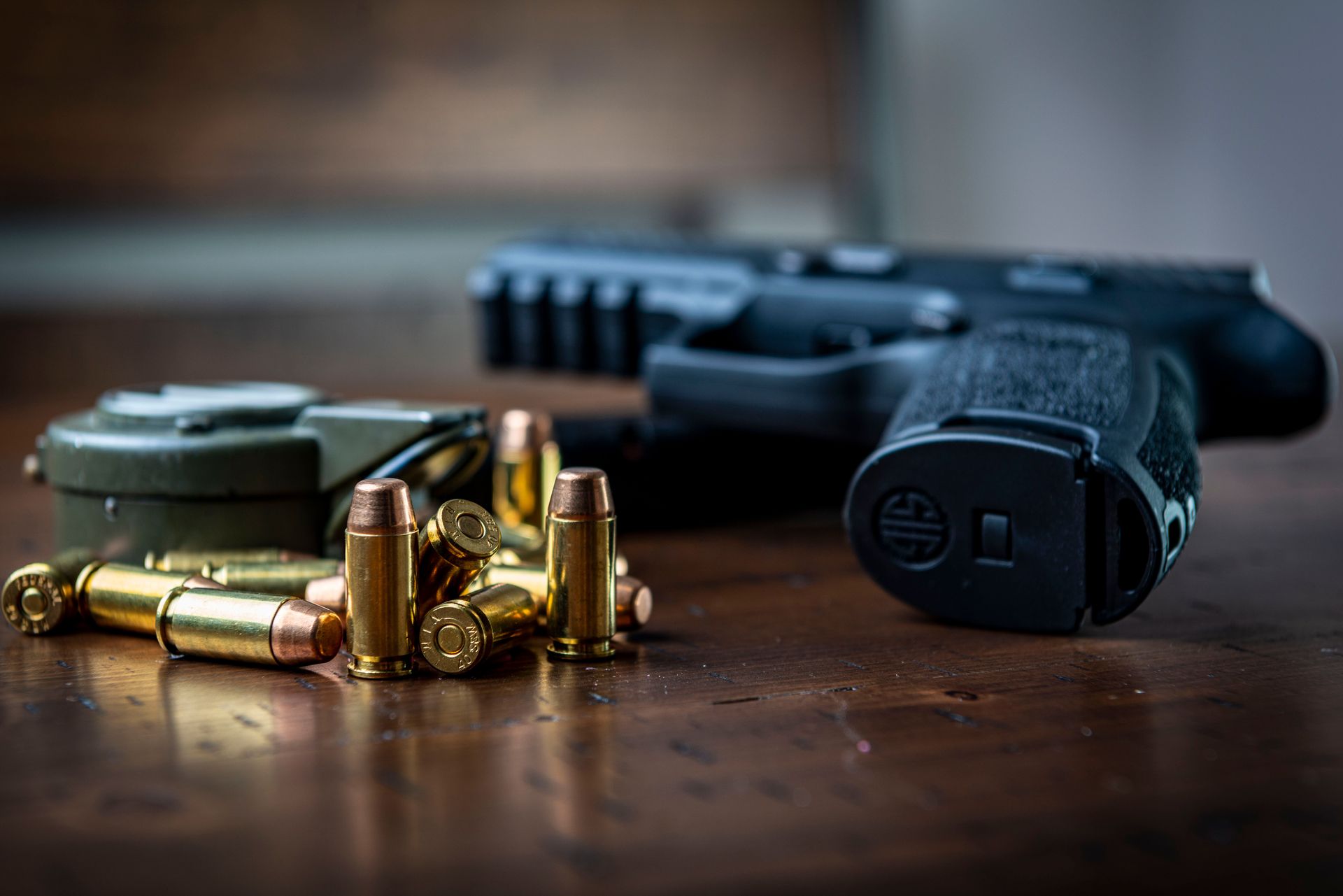
Felon in Possession
Iowa and federal law both prohibit people with felony convictions from possessing firearms. Under 18 U.S.C. 922(g), the federal felon-in-possession statute, a conviction carries up to 10 years in federal prison — and federal prosecutors in this district use it. If your prior record includes any felony, even an old one, possession of a firearm is a serious federal exposure.
Going Armed with Intent
This is one of the most frequently overcharged offenses in Iowa. Prosecutors use it broadly, but the statute requires proof that you intended to use the weapon against another person. Carrying a gun near a conflict — even a heated one — is not the same as going armed with intent. That distinction matters enormously, and I push back hard on cases where the charge outstrips the facts.
The Lautenberg Amendment — Domestic Violence Misdemeanors
This is where people get blindsided. Federal law also bars anyone convicted of a domestic violence misdemeanor from owning or possessing a firearm — for life. It doesn't matter how long ago the conviction was, whether you served any jail time, or whether you thought it was a minor charge. If you have a domestic assault misdemeanor on your record and you're found with a gun, you're looking at a federal felony. I'll review your record and tell you exactly where you stand before anything else.
Short-Barreled Shotguns, Machine Guns, and Prohibited Weapons
Possession of a short-barreled shotgun or rifle, a machine gun, or certain other prohibited weapons is a Class D felony under Iowa Code 724. These charges carry up to five years in prison. The federal equivalent, under the National Firearms Act, can be significantly harsher.
Weapons Enhancements on Drug and Violent Felony Charges
If you're charged with a drug offense or a violent felony and a firearm was present — even if you never used it — prosecutors will attempt to add a weapons enhancement. Under federal sentencing guidelines, that enhancement can add years to a sentence. Challenging whether the firearm was actually connected to the underlying offense is a critical part of the defense strategy.
The Defenses That Actually Move These Cases
Step 1:
Constructive Possession
If the gun wasn't on your person, the State has to prove you had dominion and control over it. In a shared car, a shared home, or any situation where multiple people had access to the same space, that burden is harder to meet than prosecutors make it sound. I examine who had access, whose belongings were present, and whether the State can actually tie the firearm to you specifically.
Step 2:
Unlawful Search and Seizure
Many weapons charges begin with a traffic stop or a search. If law enforcement exceeded the scope of a stop, searched without proper consent or a warrant, or lacked probable cause, the evidence can be suppressed. A suppressed firearm is often a dismissed charge.
Step 3:
Record Review for Federal Disqualifiers
Before anything else, I review your record carefully. Federal disqualifiers are not always obvious — prior convictions that were expunged in some states may still count under federal law, and domestic violence misdemeanors are frequently overlooked until it's too late. Knowing exactly what's on your record is the foundation of the defense.
Step 4:
Sentencing Mitigation
In cases where the evidence is strong, the fight shifts to sentencing. Ignorance of a disqualifier isn't a legal defense — but it is a powerful mitigation argument. A client who genuinely didn't know a decade-old misdemeanor barred them from owning a firearm is a very different sentencing picture than someone who knew and didn't care. I build that argument from day one.
Can You Ever Get Your Gun Rights Back?
This is one of the most common questions I get, and the honest answer is: it depends.
Iowa law allows for rights restoration in specific circumstances, including through the Board of Parole for certain felony convictions. Federal restoration is significantly harder — Congress has effectively defunded the federal restoration program for most applicants, meaning a federal firearms disability is often permanent unless the underlying conviction is vacated or expunged.
If you're asking whether you can legally own a gun again, I'll give you a straight answer based on your actual record. The wrong answer is buying a gun and hoping for the best.
Eastern Iowa Gun Charge Defense Across the Region
I defend weapons charges throughout eastern Iowa, including in Davenport, Iowa City, Muscatine, Dubuque, and Clinton. State charges are handled in the county where the arrest occurred. Federal charges go to the Northern or Southern District of Iowa. I know both courtrooms.
Frequently Asked Questions About Iowa Weapons Charges
Iowa has permitless carry now. How am I facing a weapons charge?
Permitless carry applies to people who are legally allowed to possess a firearm. If your record includes a felony conviction, a domestic violence misdemeanor, or certain other disqualifiers, Iowa's 2021 law didn't change your status. Federal law still applies regardless of what Iowa allows.
The gun was in my car, not on me. Does that matter?
It matters a great deal. Prosecutors must prove constructive possession — that you had knowledge of the firearm and dominion and control over it. In a shared vehicle or any situation where others had access, that proof is often thin. I look hard at the facts before accepting that the State can make that case.
I have an old domestic violence misdemeanor from years ago. Does that really affect my gun rights?
Under the Lautenberg Amendment, yes. A domestic violence misdemeanor conviction — regardless of when it occurred — is a lifetime federal firearms disability. This catches a lot of people off guard. I'll review your record and tell you exactly where you stand.
What does "going armed with intent" mean in Iowa, and is it a felony?
Going armed with intent under Iowa Code 708.8 is an aggravated misdemeanor, but it's frequently charged in situations where the facts don't support it. The statute requires proof of intent to use the weapon against another person. Carrying a firearm near a dispute is not enough. These charges are often overcharged and often beatable.
If I'm also facing a drug charge, does the gun make it worse?
Almost certainly, yes — unless we can successfully argue the firearm wasn't connected to the drug offense. Both state and federal law provide for enhanced penalties when a weapon is present during a drug crime. Challenging that connection is a central part of the defense strategy in those cases.
Can a weapons charge be reduced or dismissed?
Yes, in the right circumstances. Suppression of evidence, constructive-possession challenges, and proof problems all create paths to dismissal. Where the evidence is solid, reduction through negotiation is often possible. Every case is different, which is why the first step is a real conversation about the facts.
Gary Koos has defended criminal cases in Iowa and New York for 50 years, including 12 years practicing in Manhattan alongside attorneys whose clients have included some of the most high-profile defendants in the country. He is a Drake Law graduate — Drake's trial advocacy program is recognized among the best in the nation — and he has tried four major cases in the past year alone. When you call, you reach Gary directly.